

Recent Posts
- The Basics of Boundaries
 December 12, 2020
 - The “IN”s and "OUT"s of our core emotional needs
 December 9, 2020
 - Sensitivity Status Update
 December 5, 2020
-


Have you noticed that sensitivities seem to be running high lately? More people seem to be on edge, easily upset, less able to regulate and with greater vascillations in their mood?
Things just feel more vulnerable and personal. The higher sensitivity that we are seeing in general, is likely a result of the stress, uncertainty, and discontentment caused by the mass global trauma of COVID. With ongoing stress and trauma, more people exhibit emotion states that are generally characteristics of “Highly Sensitive People”.
What then is a highly sensitive person? Dr. Elaine Aron coined this phrase in the 1990’s as she researched the topic extensively. It has maintained its relevance across decades.
A Highly Sensitive Person (HSP) is defined by Dr. Aron as having a sensitive nervous system which makes them more aware of subtleties in the environment and more easily overwhelmed by stimulation. It is defined as a personality trait that characterizes about 20% of the population. HSPs are more aware of their surroundings and interestingly this trait is found in some members of many species, almost as if this subgroup of the species is “designated” with the role of higher awareness as a survival mechanism for the group.
HSP’s feel more deeply and are more affected by stimuli, whether environmental, sensory or interpersonal.
There are two sides to this coin. HSPs are often very empathic and intuitive. They see and feel things more distinctly than other people. This is why HSPs are often referred to as “empaths”. This can make HSPs amazing friends, educators and therapists.
The flipside of the coin is that being an HSP is actually quite difficult. Their innate nervous system sensitivity means that they are more affected by sensory stimuli like loud sounds, strong smells, bright lights etc. They can actually find some forms of stimuli quite unpleasant and startle easy. This sensitivity can trigger a need to retreat.
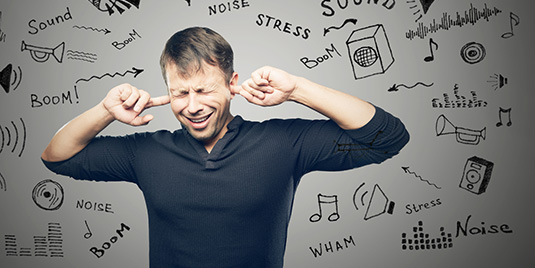
On an emotional level, being highly sensitive can be challenging.
Highly sensitive people often:
In social contexts, highly sensitive people:
Basically, HSPs feel all the “feels” A LOT!
While being an HSP is not easy, when understood fully, this trait can be managed to minimize the negative emotional impact and to be leveraged to create strong educators, therapists and leaders. HSPs can be compassionate, kind, intuitive members of society.

The funny thing is that as a therapist, the 20% of the population which are HSPs tend to make up about 80% of your client base. Funny and yet understandable. Life can feel harder for Highly Sensitive people and yet when they are able to reflect on all that is hard, they are able to grow and flourish.
It has been interesting to see how 2020 has brought out great levels of anxiety and sensitivity for so many people. It makes sense though. When people experience trauma they feel more bruised, sensitive and vulnerable than they might otherwise. Situations which may have previously been easy to manage, might suddenly feel TOO MUCH.
Particularly as a result of social isolation, people can feel far more overwhelmed when encountering crowds.
When people feel vulnerable due to trauma, external cues tend to cut deeper, other people’s judgments, criticism or failure tend to be harder to deal with.
It is almost as if, with trauma, people tend to experience the world in a more sensitive way, similar to HSPs.
What then happens to an HSP? Yikes! That’s a double whopper. Feeling all the feels when those feels are painful and hard. That’s not easy.
So how does this help and what do we do?
As a community, it is important to recognize the sensitivity and vulnerability that exists now more than ever.
We need to ACKNOWLEDGE the sensitivity and then give space for it.
This may mean that:
Remembering that being high sensitive is hard but is actually a force to be reckoned with. It makes us more astute and aware and able to see others as they are. Being sensitive can enable us to comfort others in times of difficulty and actually be the supportive backbone in this communal trauma.